Servo Motor Explained: Working, Features, and Applications in Automation
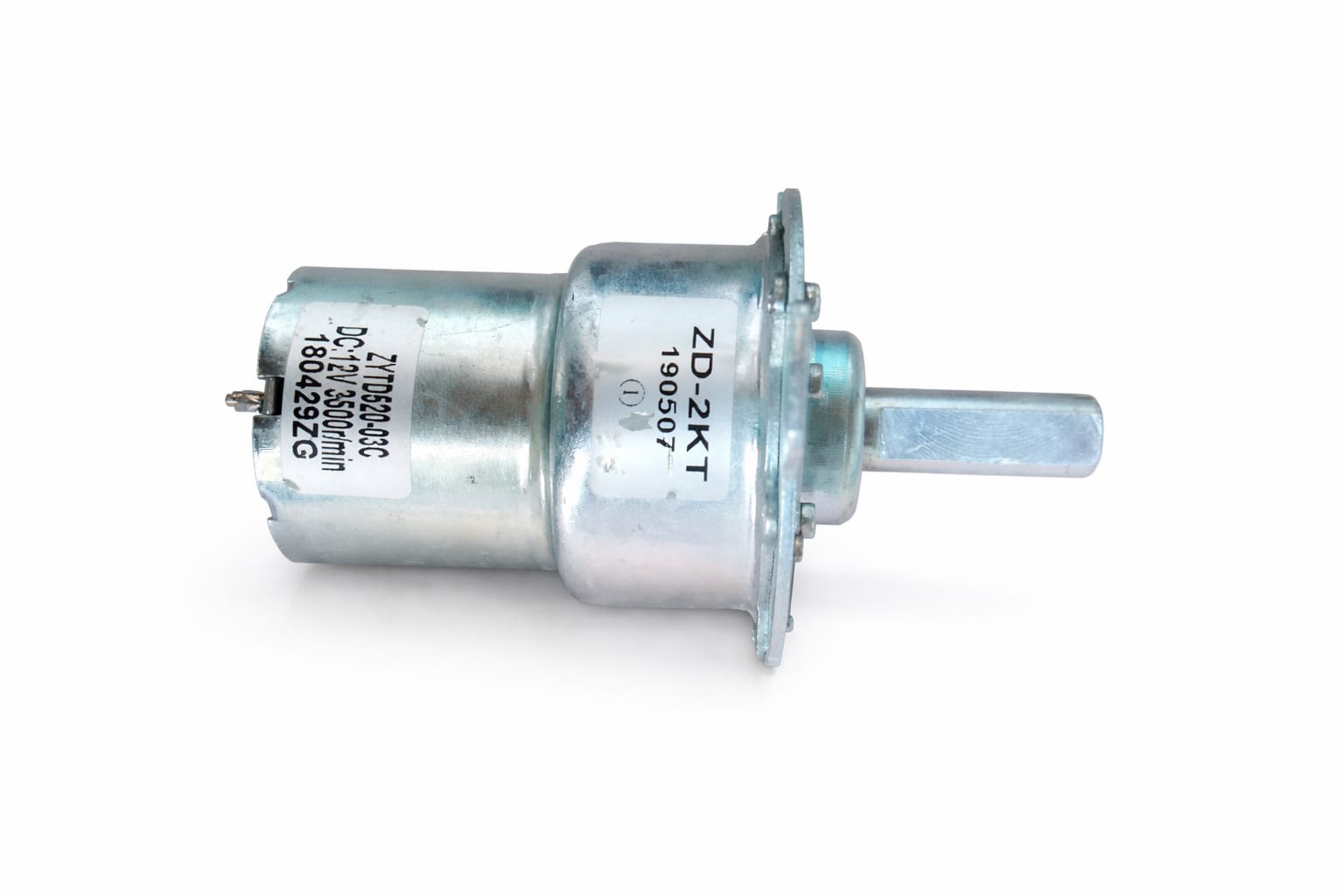
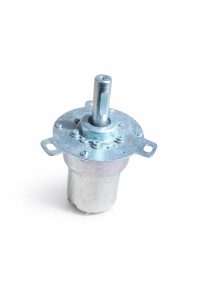
A servo motor is a highly efficient and precise rotary actuator or linear actuator that allows for accurate control of angular or linear position, velocity, and acceleration. It is widely used in industrial automation, robotics, CNC machinery, and modern electronic devices. Unlike regular motors, a servo motor operates with a feedback system that ensures it reaches the exact desired position with high accuracy.
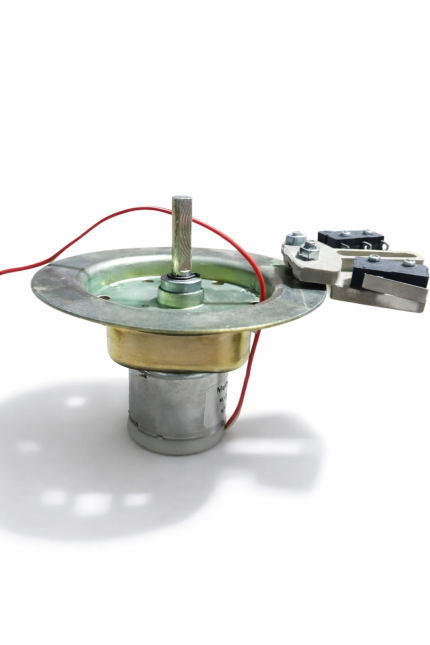
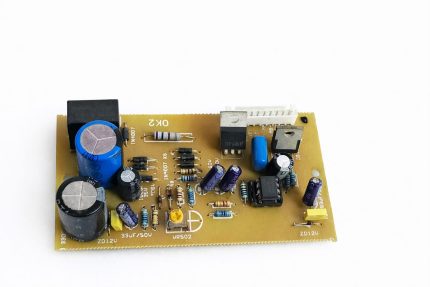
The main components of a servo motor system include the motor itself, a controller, a feedback sensor (usually an encoder or potentiometer), and a drive circuit. The controller sends a signal to the motor, and the feedback system continuously monitors the motor’s position. If there is any deviation, the system corrects it instantly, making servo motors extremely reliable for precision tasks.
Servo motors are available in AC and DC types, with AC servo motors commonly used in industrial applications due to their durability and efficiency. DC servo motors are often used in smaller applications like hobby electronics and robotics projects. These motors can rotate to a specific angle, hold that position, and even change speed based on the input signal.
They are essential in applications where precision is critical, such as robotic arms, conveyor systems, camera autofocus mechanisms, and automated manufacturing processes. Due to their ability to provide controlled motion, they significantly improve productivity and reduce human error.
Overall, servo motors are a key component in modern technology, offering precision, efficiency, and reliability. Their growing use in smart systems and automation highlights their importance in the future of engineering and industry.
Benefits (20):
- High precision control
- Accurate positioning
- Fast response time
- High efficiency
- Low power consumption
- Smooth operation
- Reliable performance
- Compact size
- Lightweight design
- High torque at low speed
- Minimal noise
- Long lifespan
- Closed-loop control system
- Better stability
- Easy integration
- Suitable for automation
- Reduced maintenance
- High speed accuracy
- Energy saving
- Versatile applications